
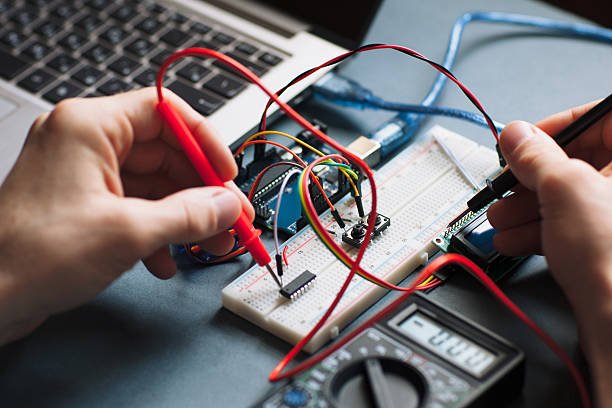
Arduino vs Raspberry Pi: When to Use Which
A practical guide to choosing Arduino or Raspberry Pi for your next prototype—plus when a hybrid setup makes sense, and how JIGMOD adapters and modules support either path.
A practical guide to choosing Arduino or Raspberry Pi for your next prototype—plus when a hybrid setup makes sense, and how JIGMOD adapters and modules support either path.

Arduino shines at fast firmware loops—and frustrates when every sensor, switch, and power lead is temporary. JIGMOD gives Arduino UNO, DUE, and MEGA builders a modular electronic circuit building system: a platform to mount on, an Arduino UNO/DUE/MEGA JIGMOD Adapter to hold the board, and modules that screw down with the included standoffs and screws
How JIGMOD Helps Arduino Users Prototype Faster on a Modular Platform Read More »
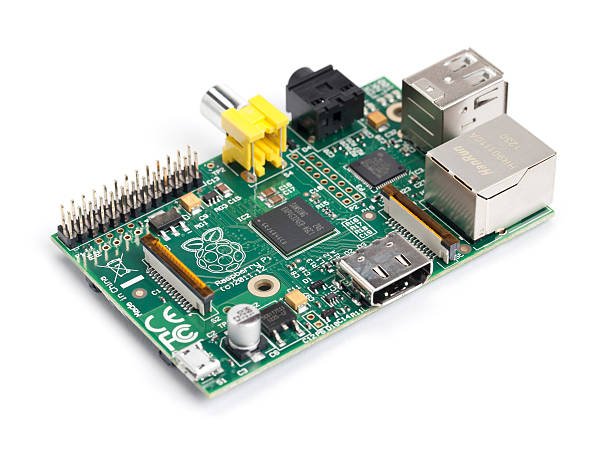
Raspberry Pi projects move fast in software—and stall when the physical side is a tangle of jumpers, dangling HATs, and connectors that fall off the moment you move the board. JIGMOD is a modular electronic circuit building system: platforms (M, L, XL), mountable modules, and dedicated Raspberry Pi adapters so the Pi sits on a
How JIGMOD Helps Raspberry Pi Users Build Sturdier Prototypes Read More »

Quantum computing experiments get the headlines for qubits, cryogenics, and exotic control electronics. What often gets less attention is everything around that core: classical measurement boards, microcontroller or single-board-computer interfaces, power distribution, connectors, switches, and the messy bench where firmware and hardware still have to iterate together. JIGMOD is not a quantum processor, and it
How JIGMOD Can Support Classical Electronics Around Quantum Computing Experiments Read More »

Software teams ship differently than they did a few years ago. AI coding assistants draft functions, suggest tests, refactor legacy modules, and turn a half-formed idea into a working pull request in an afternoon. Product managers can prototype a UI in hours. The feedback loop that used to take a sprint now often fits in
AI Made Software Faster. Hardware Design Needs to Keep Up Read More »
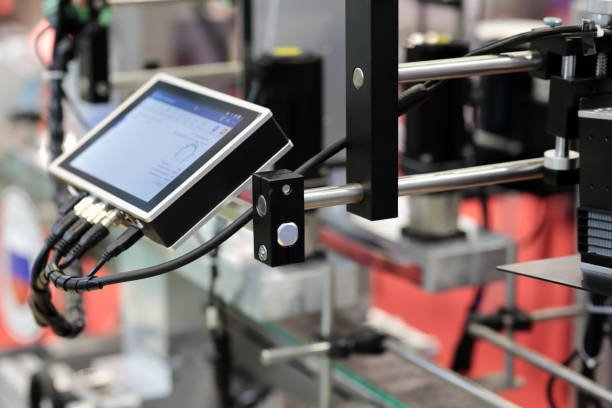
Again, this is an illustrative scenario, not a named customer story and not a claim of measured weeks saved. Imagine a team building a handheld-style controller prototype: they need reliable power, a few buttons, maybe a thumbstick, and an easy path to try different boards. Week-to-week changes that usually cost a rewire In a typical
Illustrative Scenario: Faster Prototype Iterations with Modular HMI and Power Read More »
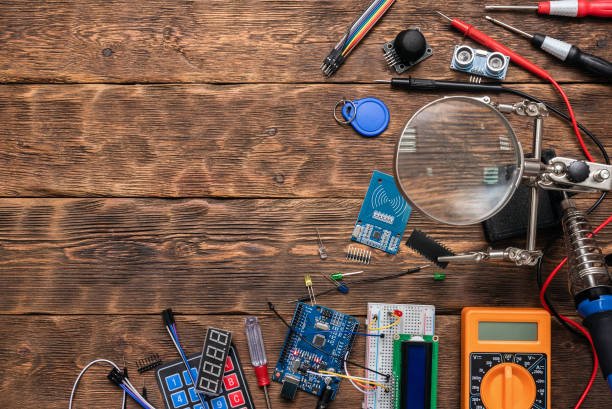
This post walks through an illustrative prototyping scenario—not a measured customer case study. Consider a small team assembling a sensor-and-control prototype that still needs frequent layout changes before any production PCB. Start with a shared mounting platform In a typical iteration, the team wants one place to fasten breadboards, a microcontroller, power entry, and user
Illustrative Workflow: Building a Prototype Bench with JIGMOD Platforms and Modules Read More »
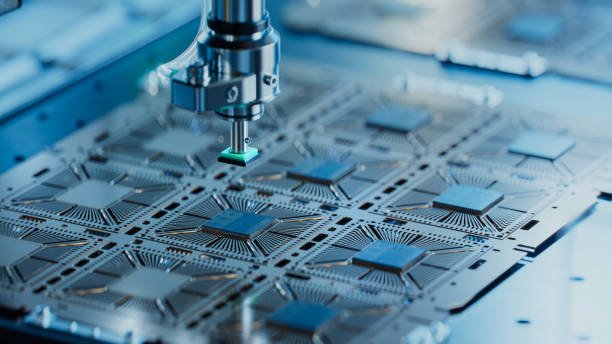
Software teams can ship daily. Hardware schedules slip for quieter reasons: a connector that does not fit the enclosure, a microcontroller swap that forces a new adapter, or a week spent rebuilding the same bench wiring. None of these look dramatic on a Gantt chart until they stack up. PCB respins that are really interface
Why Hardware Time-to-Market Slips: Respins, Wiring, and Mounting Read More »
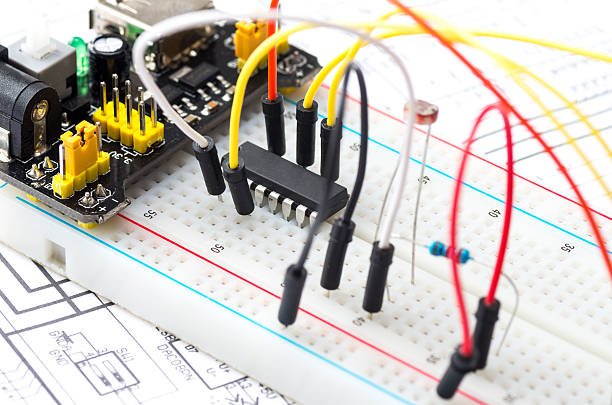
Electronic prototyping is how an idea becomes a working circuit before you commit to production tooling. Most teams move through the same stages—even when the product is a simple sensor node or a complex controller—and the cost of change rises with each stage. Stage 1: Breadboard exploration The first pass usually lives on a solderless
What Electronic Prototyping Involves: From Breadboard to PCB Read More »

One verbatim testimonial from the original About page, plus context on why people were looking for a platform-and-module prototyping system.